The Mosaic Galaxy Project

Mosaic Galaxy is a comprehensive Web3 ecosystem designed to integrate decentralized finance, privacy-focused technologies, and next-generation blockchain tools under a unified umbrella. It focuses on empowering users through transparent financial instruments and a modular blockchain architecture. The project brings multiple components together, including Mosaic Alpha, Mosaic Chain, and Highway, each contributing to a broader decentralized environment.
Mosaic Galaxy aims to simplify user interactions with digital assets through intuitive tools, smart contracts, and well‑structured financial solutions. It emphasizes improved accessibility to blockchain services, appealing to both beginners and institutional‑level participants. The ecosystem is built with scalability and interoperability as core principles, making it adaptive to evolving Web3 requirements. Mosaic Galaxy also prioritizes user security and control, integrating technologies that safeguard privacy without compromising functionality.
The platform encourages collaboration between developers, validators, and users, accelerating innovation across the crypto landscape. With its emphasis on efficiency, connectivity, and financial empowerment, Mosaic Galaxy positions itself as a key player in shaping the future of decentralized systems.
The Mosaic Chain — Finance-First Blockchain

Mosaic Chain is a high‑performance, finance‑first blockchain built as a Polkadot parachain, designed specifically for decentralized financial operations. It offers interoperability across chains using Polkadot’s shared security and XCM communication capabilities. Mosaic Chain employs a unique NFT‑based validator system, where validation rights are represented as NFTs, making participation more transparent and accessible. The blockchain leverages Substrate technology, ensuring modularity, seamless upgrades, and long‑term adaptability.
Mosaic Chain is engineered to process transactions quickly and with low fees, making it a reliable settlement layer for financial applications. Its architecture supports financial primitives, tokenized portfolios, stable operations, and cross‑chain liquidity flows. Mosaic Chain emphasizes predictable transaction behavior, appealing to fintech developers who require dependable infrastructure.
The blockchain’s validator framework encourages decentralization while simplifying availability for smaller operators. Mosaic Chain also integrates tightly with Mosaic Alpha and the broader Mosaic Galaxy ecosystem, enabling efficient data flow and unified user experiences. Through its focus on financial applications, security, and high throughput, Mosaic Chain stands as a fundamental pillar of the broader Mosaic Galaxy vision.
The Highway Project — Cross-Chain Infrastructure
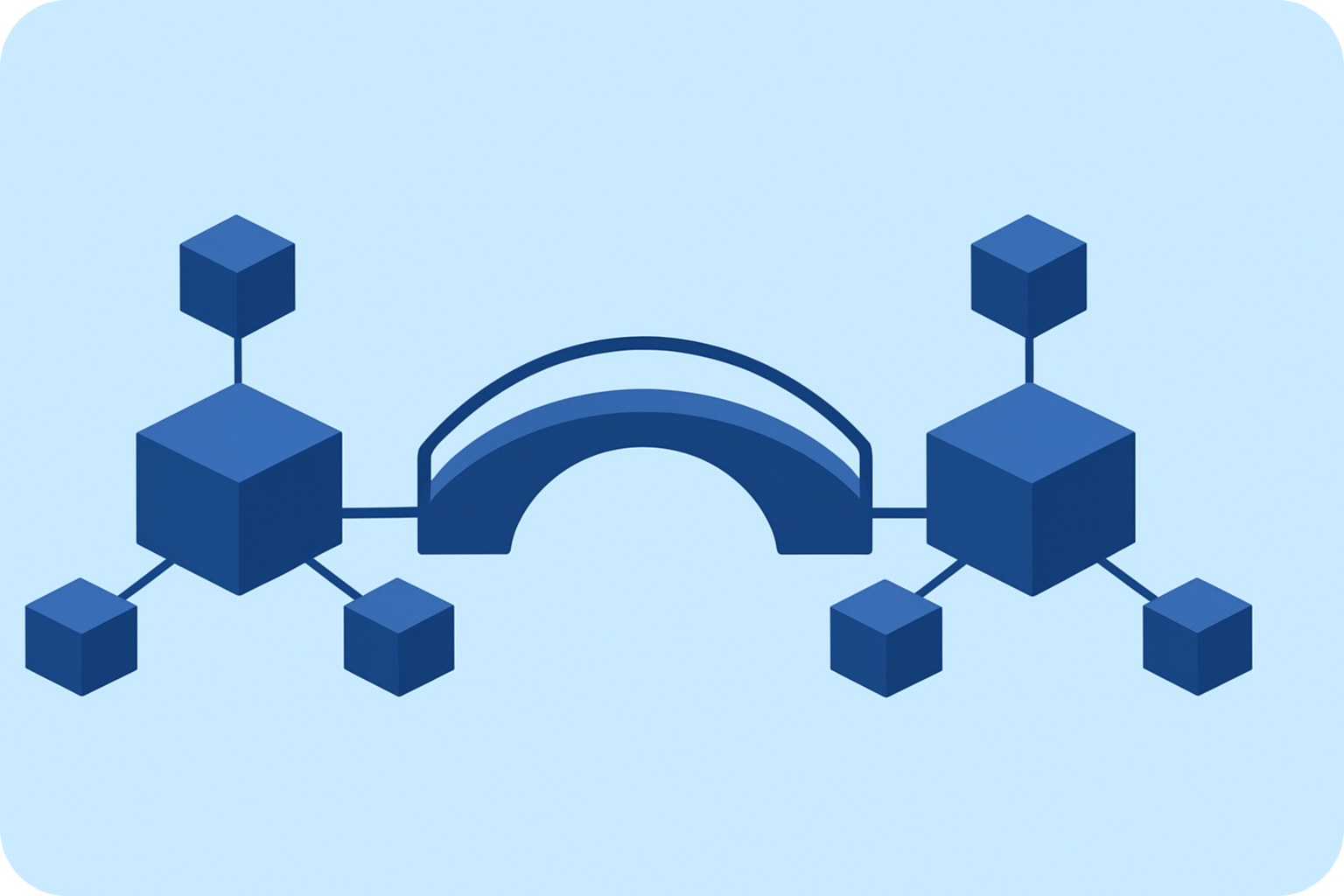
The blockchain world has entered a multi-chain era, where many different blockchains exist, each with its own rules, consensus, and ecosystem. Current solutions for connecting chains remain largely immature: tools are chaotic, bridges treat cross-chain messages as afterthoughts, and different chain types make seamless interoperability virtually impossible. As a result, developers and users often must rebuild identity, liquidity, and trust for each chain — creating a major barrier to unified, composable Web3 applications.
The Highway project proposes a native cross-chain architecture to solve these problems. Unlike “bridge-as-afterthought” solutions, The Highway project treats cross-chain messages as first-class primitives, respecting each chain’s finality model and removing middleware complexity. This design enables true cross-chain composability, allowing complex decentralized applications to operate fluidly across multiple blockchains.
Beyond architecture, The Highway project emphasizes genuinely decentralized infrastructure and a sustainable economic model. Thousands of independent hubs and relayers provide global coverage and network resilience. Additionally, the economic model reduces costs for users by leveraging arbitrage profits from relayers, aligning incentives so that network growth strengthens both security and efficiency.